A sudden increase in fuel consumption often leads drivers to check tire pressure, fuel injectors, or air filters. However, one small component is sometimes overlooked: the spark plug.
Can the wrong spark plug affect fuel consumption? Yes. An incorrectly specified spark plug can interfere with reliable ignition, potentially causing misfires, unstable combustion, and reduced engine efficiency. However, the impact depends on how the plug differs from the manufacturer's requirements and whether it actually affects combustion.
Understanding this relationship helps explain why choosing the correct spark plug is about more than finding a replacement that physically fits the engine.
A spark plug ignites the compressed air-fuel mixture inside a gasoline engine. For combustion to begin reliably, the ignition system must deliver sufficient voltage to create a spark across the electrode gap.
When the spark plug operates correctly, it supports consistent ignition and smooth engine performance. If ignition becomes unreliable, some combustion cycles may fail to produce their expected contribution to engine power.
This can lead to rough idling, hesitation, reduced acceleration, and potentially increased fuel consumption.
A wrong spark plug does not necessarily cause these problems immediately. Some compatibility issues become noticeable only under demanding conditions, such as cold starting, high engine load, or prolonged operation.
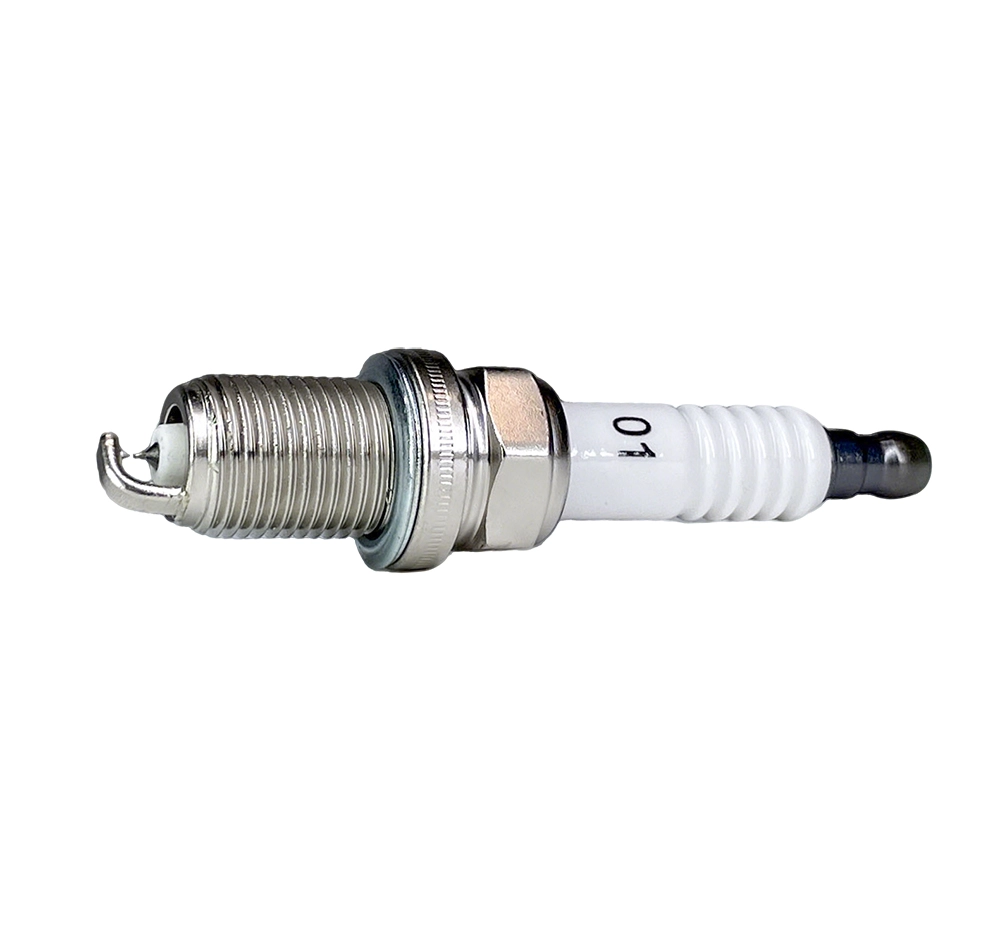
Spark plugs are designed for specific engine applications. Their heat range, electrode gap, physical dimensions, and electrical characteristics must match the requirements of the ignition system.
Choosing a plug based only on appearance or thread compatibility can introduce performance problems.
| Spark Plug Factor | Potential Problem | Possible Effect on Engine Operation |
| Incorrect heat range | Excessive fouling or overheating | Unstable ignition and reduced reliability |
| Incorrect electrode gap | Excessive or insufficient gap | Increased ignition difficulty or inconsistent spark development |
| Wrong physical dimensions | Improper installation or combustion-chamber interference | Possible engine damage or abnormal operation |
| Unsuitable electrical characteristics | Mismatch with ignition system requirements | Potential ignition interference or performance problems |
| Poor manufacturing quality | Premature electrode wear or insulation failure | Reduced ignition reliability over time |
These factors explain why spark plug compatibility is essential when selecting replacement parts.
A spark plug's heat range describes its ability to transfer heat away from the firing end. It does not indicate how powerful the spark is.
If a plug operates too cold for its application, deposits may accumulate because the firing end does not consistently reach an effective self-cleaning temperature. Excessive fouling can eventually interfere with ignition.
A plug that operates too hot may increase the risk of abnormal combustion, electrode damage, or pre-ignition.
Neither situation supports dependable engine operation. Selecting the manufacturer's specified heat range helps maintain the intended operating conditions.
The spark plug gap influences the voltage required to initiate a spark.
An excessively wide gap can demand more voltage than a weakened or heavily loaded ignition system can reliably provide, increasing the possibility of misfires.
An excessively narrow gap may alter spark development and may be unsuitable for the engine's combustion requirements.
When ignition becomes inconsistent, the engine may operate less efficiently. This is why spark plug gap should follow the vehicle manufacturer's specifications rather than being adjusted simply to obtain a supposedly stronger spark.
Not necessarily.
Iridium and platinum spark plugs can offer advantages in electrode durability and long-term gap stability, depending on their design. However, installing an expensive plug does not automatically improve the fuel economy of an engine that is already operating correctly.
The more important consideration is whether the replacement plug matches the engine's requirements.
A properly specified, high-quality spark plug should provide reliable ignition, suitable thermal performance, and resistance to premature wear under its intended operating conditions.
For this reason, checking the OE reference, heat range, dimensions, electrode design, and application compatibility is more meaningful than choosing a spark plug based solely on price or material.
Consider a vehicle that begins experiencing rough idle and slightly higher fuel consumption shortly after receiving new spark plugs.
Although the replacement plugs fit into the cylinder head, further inspection reveals that their specifications do not match the recommended application.
After the correct plugs are installed and the ignition system is checked, the engine returns to smoother operation.
This example illustrates an important point: replacing a spark plug is not automatically an upgrade. A component must be suitable for the specific engine to deliver its intended performance.
If fuel consumption remains unusually high after installing the correct plugs, other factors should also be investigated, including ignition coils, fuel injectors, air intake, engine sensors, and general engine condition.
Can incorrect spark plugs cause engine misfires?
Yes. Incorrect specifications, excessive electrode gaps, fouling, or other compatibility problems can contribute to unreliable ignition and engine misfires.
Will replacing old spark plugs improve fuel efficiency?
It may help if worn or fouled plugs are causing ignition problems. However, replacing correctly functioning spark plugs should not be expected to produce a dramatic reduction in fuel consumption.
How do I choose the correct replacement spark plug?
Start with the vehicle manufacturer's specifications. Confirm the OE reference, heat range, thread dimensions, reach, seat type, electrode gap, and application compatibility before installation.
The relationship between spark plugs and fuel consumption comes down to ignition reliability.
An incorrectly specified spark plug can disrupt combustion, contribute to misfires, and potentially increase fuel consumption. A correctly matched replacement, on the other hand, helps the engine maintain the ignition performance it was designed to deliver.
When selecting new spark plugs, reliable construction, stable electrode performance, and accurate application matching are more valuable than assuming that a higher price or different electrode material will automatically save fuel.
Choosing the right spark plug is a small decision that can make a meaningful difference to long-term engine reliability and consistent performance.